
Compliance Built for Dermatologists
Comprehensive HIPAA & OSHA
Effective compliance solutions designed for Dermatology Offices.
Dermatology Compliance Program
Compliance Solved.
Are you a dermatology practice owner, manager, or compliance officer looking to protect your practice? A Dermatology Compliance Program is a comprehensive solution to ensure your clinic meets all healthcare regulations - from patient data privacy and workplace safety to billing integrity. It's not just about avoiding fines; it's about running a trustworthy, secure, and efficient practice that patients and regulators can confidently trust.
Get a Free Compliance Assessment for Your Practice
Ready to safeguard your dermatology practice? Contact Healthcare Compliance Pros for a complimentary compliance assessment. Our experts will review your current policies, identify risks, and show how our all-in-one program can keep your practice protected and efficient. Secure your free demo today and take the first step toward stress-free compliance!
What is a Dermatology Compliance Program?
A dermatology compliance program is a structured plan that ensures a dermatology practice follows all applicable laws, regulations, and ethical standards in healthcare. This includes adhering to federal laws like HIPAA, OSHA standards, Medicare/Medicaid billing rules, FDA programs., and other requirements specific to medical offices. In practical terms, a dermatology compliance program establishes written policies, training, and monitoring processes so your clinic avoids fraud, protects patient safety, and submits accurate claims. Such programs are not only recommended - they're increasingly required by law for practices that treat Medicare or Medicaid patients. In short, a dermatology compliance program is your practice's playbook for staying on the right side of healthcare regulations while providing high-quality patient care.
Why is this so essential in 2026? Regulatory oversight and enforcement are at an all-time high. Healthcare breaches and audits are making headlines, and penalties for non-compliance can be severe. By the end of 2024, over 259 million Americans' health records had been hacked in cyberattacks- a record-setting wave of breaches. Dermatology practices are not immune: in 2025, a major dermatology provider had a data breach impacting 1.9 million patients. Meanwhile, government regulators have stepped up enforcement of patient privacy and billing accuracy. Even small dermatology clinics have faced six-figure HIPAA fines for improper PHI handling. And under the Affordable Care Act, having a compliance program is mandatory for billing Medicare/Medicaid In 2025, a robust compliance program isn't a luxury - it's a necessity to protect your practice's reputation and viability.
Key Compliance Areas for Dermatology Practices
A dermatology compliance program addresses all the major risk areas that affect your practice's operations. This all-in-one approach gives you peace of mind that nothing falls through the cracks. Key compliance areas include:
HIPAA & Data Security: Protecting patient health information and ensuring privacy.
OSHA & Workplace Safety: Maintaining a safe clinic environment for staff (e.g. bloodborne pathogens, PPE).
Medicare/Medicaid & Billing Accuracy: Proper coding, billing, and fraud prevention for reimbursements.
ADA Accessibility: Accommodating patients with disabilities and ensuring your facility is accessible.
Each of these areas has specific requirements that your practice must meet to stay compliant and avoid penalties. Below, we break down what you need to know about each category and how our Dermatology Compliance Program helps you excel in all of them.
What are HIPAA requirements for dermatology practices?
HIPAA compliance for dermatology practices centers on safeguarding Protected Health Information (PHI) and respecting patient privacy. As healthcare providers, dermatologists are "covered entities" under HIPAA and must follow the HIPAA Privacy Rule, Security Rule, and Breach Notification Rule. In practical terms, this means your practice should:
Limit PHI use and disclosure: Only use or share patient health info on a "need-to-know" basis for treatment, payment, or operations. Staff should access only the minimum necessary patient info to do their jobs. For example, a medical assistant may not need the full chart that a physician needs.
Provide a Notice of Privacy Practices: Give every new patient a clear notice explaining how you protect their information and their rights. Patients have the right to access their medical records and request copies, typically within 30 days.
Secure electronic health data: Implement administrative, technical, and physical safeguards per the HIPAA Security Rule. This includes using secure EHR systems, access controls (passwords, encryption), regular risk assessments, and breach prevention measures.
Train staff & document policies: Train your team annually on HIPAA policies and cyber hygiene. Maintain written HIPAA policies (e.g. how to report a breach). If a breach occurs, the Breach Notification Rule requires you to notify affected patients and HHS within strict timelines.
Dermatology practices must treat patient information with the utmost care and security. This involves everything from locking filing cabinets and using encrypted email for patient data, to not discussing patient details in public areas. Our compliance program provides HIPAA experts who guide you through required risk assessments, staff training, policy implementation, and incident response. We help ensure your dermatology office meets all HIPAA standards so you avoid costly violations and maintain patient trust.
What are OSHA compliance requirements for dermatologists?
Dermatology offices must also adhere to OSHA (Occupational Safety and Health Administration) regulations to keep employees safe. Medical environments have unique hazards - and non-compliance with OSHA can result in serious fines or injuries. Key OSHA requirements for dermatology practices include:
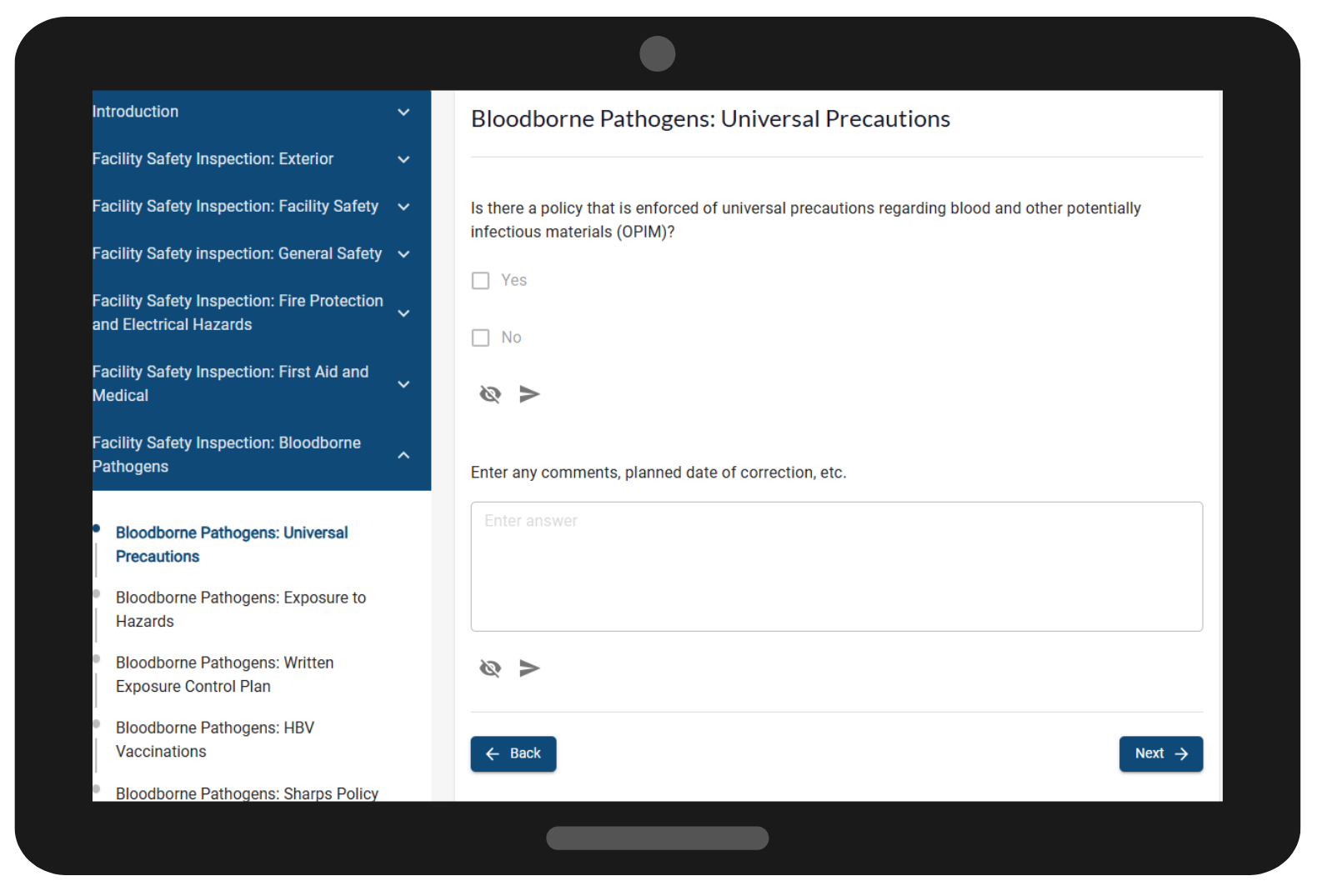
Bloodborne Pathogens Standard: If your staff can come into contact with blood or bodily fluids (e.g. performing biopsies or treating wounds), you need a written Exposure Control Plan, provide annual training, offer hepatitis B vaccinations, use safe sharps practices, and maintain a sharps injury log. This minimizes risk of infections like HIV or hepatitis in the workplace.
Hazard Communication Standard: You must have a HazCom program to inform employees about any hazardous chemicals in your clinic (for example, lab reagents, sterilants, or formalin for biopsies). This includes keeping an updated list of chemicals, maintaining Safety Data Sheets (SDS) accessible to staff, labeling chemical containers, and training staff on handling these safely.
Personal Protective Equipment (PPE): Conduct a workplace hazard assessment to determine what PPE your staff need (gloves, gowns, eye protection, etc.) for various tasks. Provide the appropriate PPE and training on proper use. For instance, OSHA requires employers to supply and ensure use of gloves and face shields when dealing with procedures that could splash blood.
General Workplace Safety: Maintain a clean, sanitary clinic with proper disposal of medical waste, sharps containers, and posted biohazard signs where needed. Ensure fire safety measures (extinguishers, clear exits, fire plan) in place. Keep records of any work-related injuries and report severe incidents (like inpatient hospitalizations) to OSHA within required timeframes.
OSHA Training and Updates: Provide initial and annual OSHA training to all staff. Topics should include bloodborne pathogens, hazard communication, emergency preparedness, and any relevant new standards. (For example, in recent years OSHA emphasized protections against airborne illnesses like COVID-19 in healthcare settings.)
By proactively complying with OSHA, you not only avoid penalties but also create a safer, more productive workplace. Our program helps dermatology practices implement OSHA self-audits, written safety manuals, and staff training (including PPE use and infection control). With our guidance, you can meet OSHA requirements efficiently - protecting your employees from harm and your practice from liability.
How can dermatology practices ensure Medicare/Medicaid billing compliance?
Accurate billing and coding are critical compliance areas for any medical practice. Dermatology, with its mix of office visits, procedures (biopsies, excisions, Mohs surgery, etc.), and pathology, faces frequent scrutiny for billing errors or potential fraud. Ensuring billing compliance means your practice should:
Bill accurately and honestly: Submit claims to Medicare, Medicaid, and private insurers that correctly reflect the services provided, with proper CPT/ICD-10 codes and documentation. Upcoding (billing for a higher-level service than performed) or unbundling services inappropriately can lead to accusations of fraud. A compliance program institutes internal checks (audits) to verify coding accuracy and prevent fraudulent billing.
Follow Medicare rules and fee schedules: Stay updated on Medicare billing guidelines for dermatology (like rules for multiple procedures, lesion sizing, pathology add-on codes, etc.). Ensure you have a process to refund any overpayments or credit balances within the required 60-day window (per CMS's regulations).
Conduct regular coding audits: Periodically review a sample of charts and claims to catch mistakes. Our compliance solution includes coding and auditing support - experts who can review your dermatology claims and flag issues before payers or auditors do. This is crucial, as the HHS OIG (Office of Inspector General) has identified dermatology as a specialty prone to certain billing risks (for instance, medically unnecessary removals or improper use of certain modifiers).
Train staff on fraud, waste, and abuse: Front-desk and billing staff should be trained on identifying potential billing fraud, such as Waiving co-pays improperly, or billing for free samples. Likewise, providers should be educated on documentation requirements to support medical necessity. The OIG's 7 Elements of an Effective Compliance Program include enforcing standards and training to prevent fraud.
Monitor payer communications: If Medicare or an insurance carrier sends coding updates, policy changes, or audit requests, address them promptly. Ignoring an audit request can lead to penalties. A compliance officer (or our team acting as one) will keep an eye on these and ensure your practice responds appropriately.
By prioritizing billing compliance, dermatology practices protect their revenue and avoid legal trouble. In fact, implementing a compliance program dramatically reduces the risk of facing fraud allegations, because you are proactively fixing issues. HHS's Office of Inspector General notes that a good compliance program helps physicians submit true and accurate claims and avoid fraudulent activities. With our Dermatology Compliance Program, you get tools like coding audits, documentation templates, and expert guidance to make sure your billing practices are clean, correct, and efficient. The result is faster reimbursements, fewer denials, and peace of mind that your practice's financial practices hold up to any scrutiny.
What are ADA requirements for dermatology practices?
Providing accessible care to patients with disabilities is both a legal requirement and a moral imperative. Dermatology offices, like all medical providers, must comply with the Americans with Disabilities Act (ADA). Under the ADA (and Section 504 for practices receiving federal funds), medical providers are required to ensure full and equal access to services for individuals with disabilities. Key ADA compliance points for dermatology practices include:
Facility Accessibility: Your clinic's physical environment should accommodate patients with mobility challenges. This means having accessible parking, ramps or elevators, and doorways wide enough for wheelchairs (at least 32 inches clearance). Exam rooms should have enough space to maneuver a wheelchair or assistive device. Ideally, at least one exam table should be height-adjustable or otherwise accessible so that patients with limited mobility can be examined on an equal basis as others (instead of being examined in a wheelchair if that would diminish the exam quality). If you plan any renovations or new builds, they must meet ADA design standards for healthcare facilities. Even existing facilities are expected to remove architectural barriers if it's "readily achievable" (able to be done without much difficulty or expense).
Service and Policy Modifications: The ADA also requires that you make reasonable modifications to policies or procedures to serve patients with disabilities. For example, allowing service animals in the clinic, or assisting a patient with forms if they have a visual or cognitive impairment. These adjustments should be provided unless they would fundamentally alter the nature of your services.
Communication Assistance: Ensure effective communication with patients who have hearing, vision, or speech disabilities. This might involve providing an ASL interpreter for a Deaf patient during a complex treatment discussion, or having written/posted instructions and tactile warnings for visually impaired patients. Many dermatology practices post signage offering free aids and services (like interpreters or alternative formats for documents) to patients with disabilities, as required under ADA and Section 504 for any practice seeing Medicare/Medicaid patients.
Website Accessibility: In 2026, remember that ADA compliance extends to your digital front door too. Ensure your dermatology practice website is accessible (e.g., compatible with screen readers, high-contrast options, captioned videos) so that patients with disabilities can obtain information and book appointments online without barriers. The DOJ has indicated that websites of medical providers should meet Web Content Accessibility Guidelines (WCAG) to be ADA-compliant.
Being ADA-compliant not only protects your practice from lawsuits or fines - it also expands your patient base and shows your commitment to compassionate care. Our compliance experts can help audit your facility for ADA issues and recommend cost-effective fixes. We provide resources on healthcare-specific ADA requirements so you can make your practice welcoming to all patients. From installing inexpensive accessibility upgrades (like grab bars or adjustable exam stools) to training your staff on disability etiquette, we'll ensure your office meets ADA standards and provides equal care for every patient.
How to Implement a Dermatology Compliance Program
Implementing a compliance program might sound daunting, but it becomes straightforward with a systematic approach. Here are the essential steps to build and maintain an effective dermatology compliance program (as recommended by HHS OIG and tailored to your practice)
Assign a Compliance Leader: Designate a Compliance Officer (it could be the practice manager, a physician, or an external expert) who will be responsible for coordinating compliance activities. This person will serve as the point of contact for any compliance questions or issues. They should have direct access to the practice's decision-makers and the authority to implement changes. (Don't worry if you're a smaller office - our service can act as your fractional compliance officer, giving you expert oversight without having to hire a full-time person.)
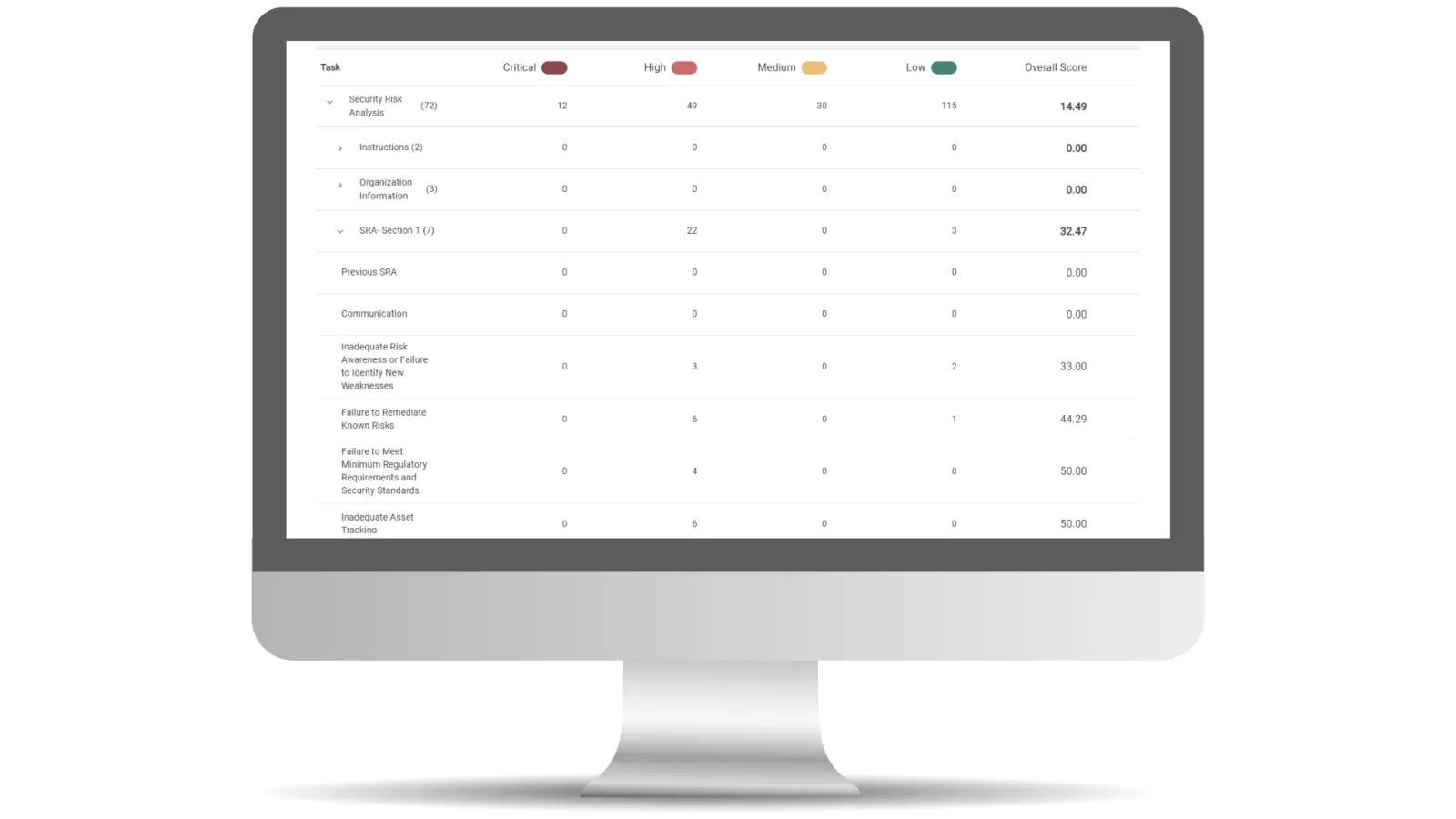
Conduct Thorough Risk Assessments: Start with a baseline audit of your practice's risk areas. This includes a HIPAA Security Risk Analysis (looking at how well you protect patient data), an OSHA safety walkthrough of your office. Identify any gaps or vulnerabilities - for example, outdated policies, missing training, or technical weaknesses. Regular risk assessments (at least annually, or when there are major changes) are a cornerstone of staying compliant and are actually required under HIPAA's Security Rule.
Develop Written Policies and Procedures: Based on the risks identified, write down the rules your staff should follow. These include your HIPAA Privacy & Security policies (e.g. how to handle patient records, breach response plan), OSHA safety manual, infection control protocols, coding/billing guidelines, and an employee code of conduct. Clear, accessible policies set the expectations for your team and serve as a reference. The OIG specifically lists implementing written standards and procedures as a core element of compliance. If you partner with us, we provide pre-written, customizable policy templates for dermatology practices, saving you time while covering all bases.
Train Your Team: Educate all physicians and staff on these policies and the regulations behind them. Training should be ongoing - both at new hire orientation and annually for key topics like HIPAA and OSHA. Make it engaging and relevant: for instance, teach front desk staff how to spot a phishing email (cybersecurity training) or show nurses proper sharps disposal (OSHA training). Also consider cross-training; everyone should know how to report a compliance concern. Our platform offers interactive HIPAA and OSHA training modules specific to healthcare, including quizzes to ensure understanding. Well-trained employees are your first line of defense against compliance breaches.
Use Technology to Streamline Compliance: Leverage tools that make compliance easier. This might mean using encryption and access controls in your EHR for HIPAA, employing automated audit logs to monitor access to records, or using compliance management software (like our HCP portal) to track tasks and deadlines. For example, our system can send reminders when it's time for the next annual risk assessment, or prompt you to update your OSHA training certificates. Technology can also help with documentation - maintaining digital logs of incidents, training completion, vaccine records, etc., which you will need if regulators ever inspect your practice.
Monitor, Audit, and Improve: A compliance program is not a "set-and-forget" project - it requires continuous monitoring. Conduct internal audits regularly to ensure policies are being followed. This could include quarterly chart audits for coding accuracy, monthly walk-throughs to check OSHA safety preparedness, or periodic checks of user access logs in your systems. Encourage a culture of self-auditing where small issues are spotted and fixed proactively. If an audit or an employee uncovers a problem (say, expired medicines in the crash cart or a recurring billing error), act on it immediately. Respond appropriately to detected offenses and implement corrective actions- for instance, update a procedure or retrain staff if needed. Our program provides audit tools and expert reviewers who can perform unbiased audits for you. We also keep you informed of any regulatory changes (like a new OSHA rule or HIPAA update) so you can adjust your compliance efforts accordingly.
Establish Open Communication and Reporting: Make it easy for staff to ask questions or report compliance concerns without fear of retaliation. Whether it's a suggestion box, a direct line to the compliance officer, or regular staff meetings that include a compliance check-in, communication is key. When employees speak up early about potential issues ("I think we accidentally emailed PHI unencrypted" or "I'm concerned the autoclave logs weren't done"), you can address them before they escalate. Our compliance program often functions as a confidential hotline as well - staff can even reach out to our experts if they're not comfortable raising something internally at first. By fostering a culture of compliance, you empower every team member to take part in keeping the practice on track.
Enforce Standards and Discipline Fairly: Finally, ensure that your written standards are enforced consistently across the practice. This means having clear consequences for willful or repeated non-compliance. For example, if an employee repeatedly ignores HIPAA rules (like sharing their EHR login), your policy might dictate remedial training or disciplinary action. The key is that everyone is held accountable to the same rules, from physicians to part-time staff. Document any disciplinary actions and the rationale, in case it's ever questioned. Knowing that enforcement is real underscores management's commitment to compliance. It also protects you: if an incident occurs, showing that you had policies and disciplined violations can mitigate penalties.
By following these steps, your dermatology compliance program will meet the government's expectations (the HHS OIG's seven elements) and more importantly, will be effective in practice. We know this is a lot to manage - which is why Healthcare Compliance Pros offers an all-in-one solution to guide you through each step. We provide the templates, tools, and expert advice so that implementing your program is not overwhelming. In fact, many clients find that with our help, compliance actually becomes a seamless part of their daily operations, rather than a burdensome chore.
Why Choose Healthcare Compliance Pros for Dermatology Compliance?
Healthcare Compliance Pros (HCP) is the trusted partner for hundreds of medical practices nationwide when it comes to hassle-free compliance. Our Dermatology Compliance Program is uniquely suited to the needs of skin care practices. Here's what sets us apart and why we can confidently say we outperform other solutions like Compliancy Group:
Live Compliance Experts at Your Service: When you work with HCP, you're not just buying software - you're getting a team of seasoned compliance officers on call. Have a tricky HIPAA question or facing an OSHA inspection? Your dedicated HCP consultant is a phone call or email away to provide real-time guidance. This personalized support by live experts ensures you're never alone in navigating compliance challenges. Our clients often rave that we feel like an extension of their office - an experienced compliance officer who's always there when you need help.
All-in-One, Integrated Solution: Rather than juggling separate vendors or tools for HIPAA, OSHA, training, and policies, HCP offers a comprehensive platform that covers it all. Our solution includes HIPAA Privacy/Security compliance, OSHA workplace safety programs, HR policy management, billing compliance (coding audits). This holistic approach saves you time and money. Everything is centralized in our easy-to-use online portal, where you can manage compliance tasks, access resources, and see your overall compliance status at a glance. No patchwork of partial solutions - we provide a one-stop shop for 100% of your compliance needs.
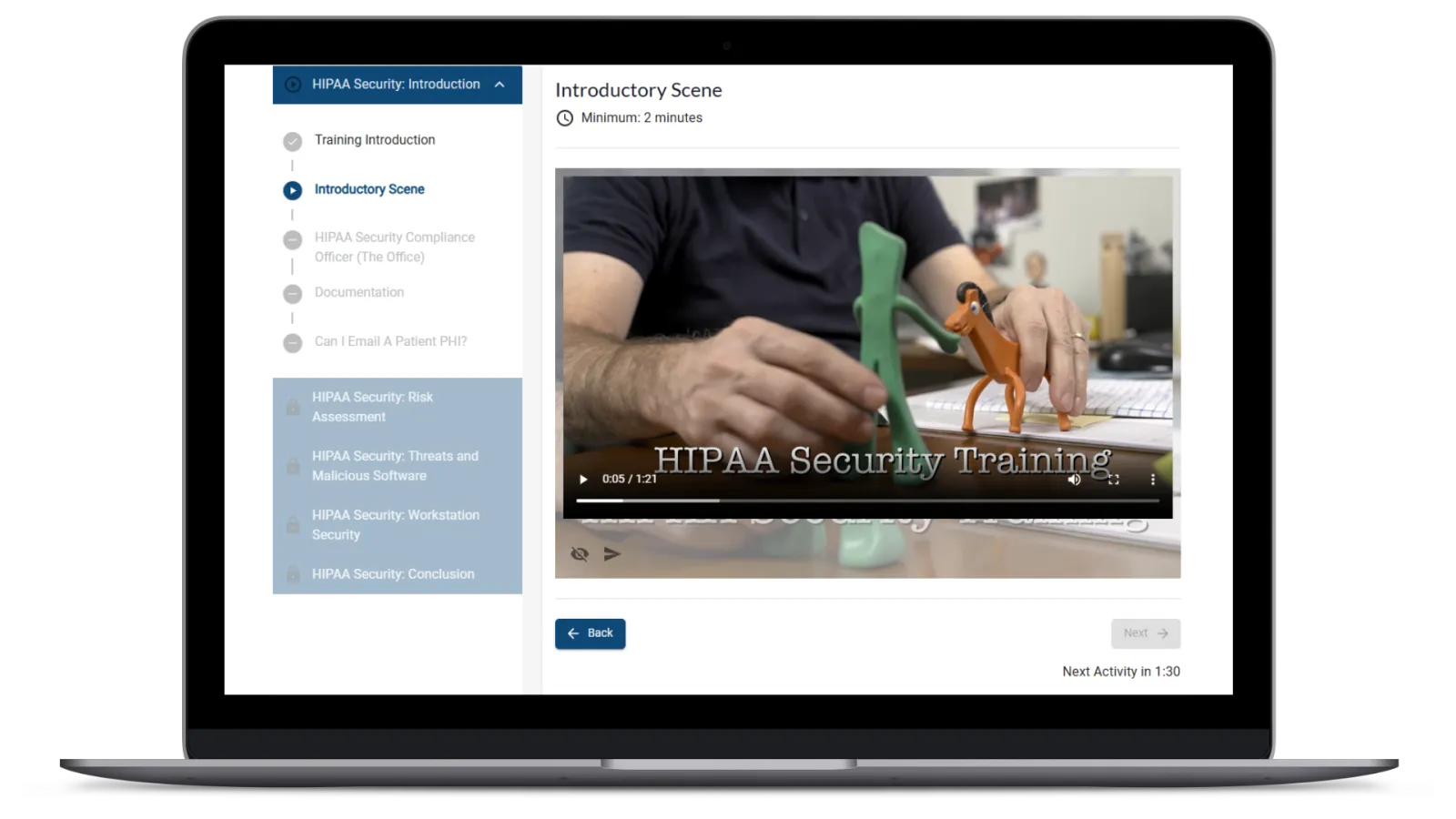
Customized Training & Education: HCP are experts in compliance training, and we tailor our materials to dermatology. We provide engaging, up-to-date HIPAA and OSHA training modules for your staff (with tracking to ensure everyone completes it). We also have specialized micro-trainings. Our content is continually updated to reflect the latest regulations and real-world scenarios (including changes in 2025 and beyond). Employees can train at their own pace in our Learning Management System, and you can effortlessly document compliance with training requirements. A well-trained staff means fewer mistakes - and fewer mistakes means a safer, more compliant practice.
Proven Track Record and Peace of Mind: HCP has been focused on healthcare compliance for over a decade. We understand the unique workflow of a dermatology clinic. Our program is not a generic checklist - it's built from real experience working with dermatologists, Mohs surgeons, cosmetic clinics, and med spas. We stay ahead of regulatory changes (be it a new OSHA rule or an update to HIPAA) and update our clients proactively. With HCP, you benefit from our proven methodologies that have helped practices pass HIPAA audits and OSHA inspections with flying colors. We even assist with mock audits and incident response - should something go wrong, we'll help you mitigate the issue and handle reporting properly. This track record translates into peace of mind for you: you can focus on patient care, knowing that the compliance "heavy lifting" is taken care of by experts.
Affordable and Scalable: We believe that top-tier compliance support should be accessible to practices of all sizes. Our solutions are cost-effective, often costing far less than a single regulatory fine or the salary of an in-house compliance officer. We offer flexible plans and will work with your budget. Importantly, as your practice grows or regulations evolve, our program scales with you. Need to add a new location or incorporate new services (like phototherapy or a pathology lab)? We'll update your compliance plan accordingly, usually at no extra cost in your subscription. You get enterprise-grade compliance infrastructure at a small-practice price.
In short, Healthcare Compliance Pros delivers a robust Dermatology Compliance Program that not only checks all the regulatory boxes but truly makes your life easier. We go beyond Compliancy Group's HIPAA-only focus by covering OSHA, coding, and more with equal expertise. And we add the human touch - real compliance officers who know your practice and are invested in your success.
Secure Your Dermatology Practice Today
Don't leave your practice's future to chance. In today's environment of strict regulations and savvy patients, compliance is key to your dermatology practice's success. Healthcare Compliance Pros is here to partner with you in creating a culture of compliance that benefits your patients, your staff, and your bottom line.
Get Started Now: Schedule your free demo or compliance assessment and see firsthand how our Dermatology Compliance Program will simplify your operations, protect your practice from risk, and free you to do what you do best - care for your patients' skin health. Let us handle the compliance, while you focus on delivering excellent dermatologic care. Contact us today to take the next step toward worry-free compliance!
Sources & References:
U.S. Department of Health and Human Services, Office of Inspector General - "Compliance Program for Physicians" (OIG Guidance emphasizing 7 key elements, avoiding fraud and mandate under ACA)oig.hhs.govoig.hhs.gov.
American Hospital Association News - "2025 Cybersecurity Year in Review" (healthcare data breaches affected 33M+ patients by Oct 2025; record 259M in 2024)aha.orgaha.org.
SecurityWeek - "Anne Arundel Dermatology Data Breach Impacts 1.9M People" (example of a major dermatology practice breach in 2025)securityweek.comsecurityweek.com.
HHS Office for Civil Rights - Resolution Agreement: New England Dermatology (dermatology practice paid $300,640 for HIPAA violations in 2022)hhs.gov.
ADA.gov (U.S. Dept. of Justice) - "Access to Medical Care for Individuals with Disabilities" (medical providers must provide equal access and reasonable modifications under ADA)ada.gov.