
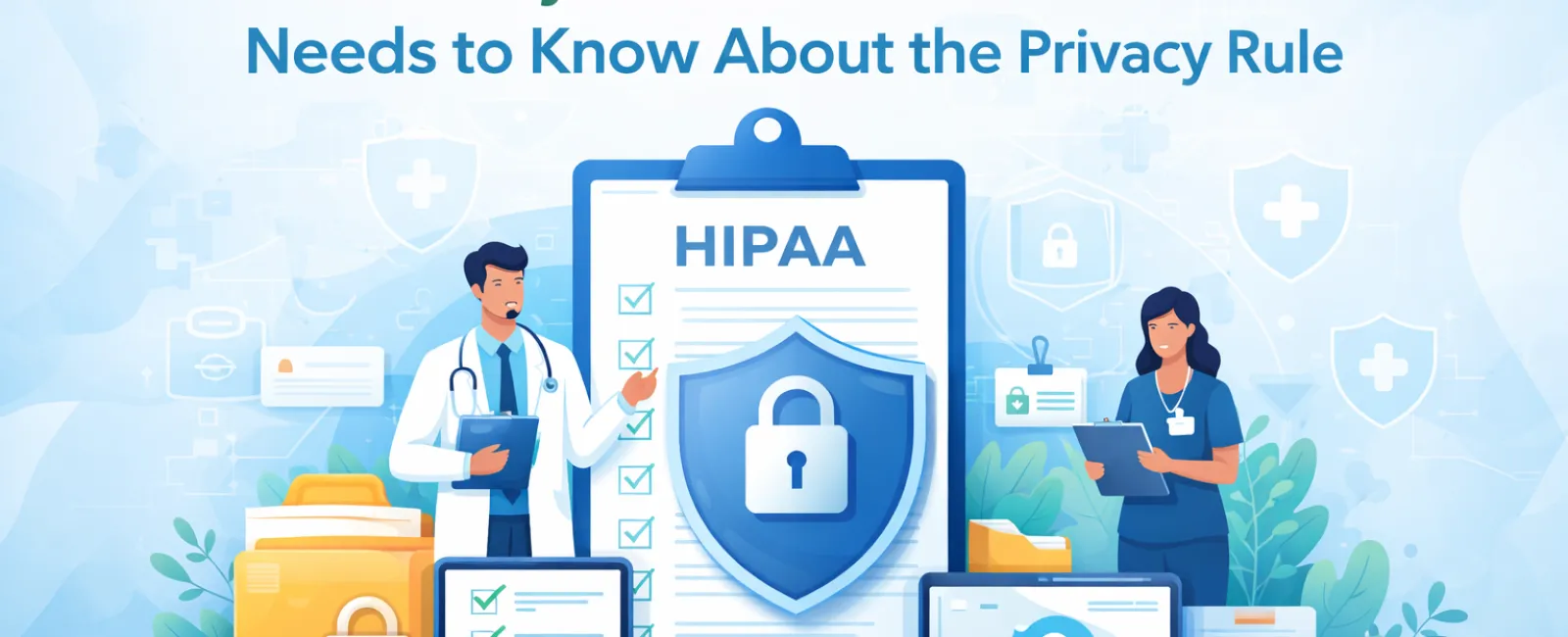
Staying on top of privacy regulations is as critical as a heartbeat. When it comes to safeguarding patient information, the Health Insurance Portability and Accountability Act (HIPAA) stands as the gold standard. But what exactly does the HIPAA Privacy Rule entail, and why should it matter to you as a healthcare professional? Buckle up as we delve into the intricacies of this essential regulation that serves as the backbone for patient privacy in the United States.
Have you ever pondered how your role in healthcare intertwines with maintaining the confidentiality of patient records? The answer lies within the HIPAA Privacy Rule, a cornerstone of patient rights and data protection. Let's unravel this complex web and explore what every healthcare professional should know to navigate HIPAA's waters with confidence.
Key Takeaways
Understand the foundational aspects of the HIPAA Privacy Rule and its importance
Identify who must comply with HIPAA, including covered entities and business associates
Learn about patient rights under the Privacy Rule, such as accessing and amending health information
Discover best practices for managing access to, and safeguarding, patient information
Explore real-world examples of HIPAA violations to glean lessons for ensuring compliance
The Basics of HIPAA Privacy Rule: What It Covers and Why It Matters
HIPAA isn't just a buzzword in healthcare; it's a critical piece of legislation that touches all aspects of patient information handling. The Privacy Rule, a vital component of HIPAA, was designed to establish national standards for protecting personal health information. This rule isn't just about keeping data under lock and key; it's about striking a balance between protecting patient privacy and allowing the flow of information necessary for quality care. Let's explore the very foundation of this rule and its significance in the healthcare sector.
The Foundation of HIPAA Privacy Rule
The HIPAA Privacy Rule was born from a need to protect sensitive health information in an increasingly digital world. Congress enacted this rule to set national standards for safeguarding individuals' medical records and other personal health data. As a healthcare professional, you may be part of a covered entity like a health plan, healthcare clearinghouse, or provider. This designation is crucial because it dictates your responsibilities under HIPAA rules.
The Privacy Rule doesn't just stop at defining who it applies to; it sets clear boundaries on how health records can be used and disclosed. For instance, without patient consent, you can't just hand over someone's medical history to anyone who asks. Understanding these regulations is essential to navigate daily operations without inadvertently stepping on legal landmines.
Importance of the Privacy Rule in Healthcare
Why does the Privacy Rule matter so much? Well, it ensures that patients' health information is protected while still allowing the necessary flow of data to deliver high-quality healthcare. This rule is your guidebook to maintaining patient confidentiality and, by extension, trust. By following the Privacy Rule, you empower patients by granting them rights over their health information, such as the ability to access and amend their records.
But it's not all roses. Violations of the Privacy Rule can lead to hefty legal and financial penalties for healthcare entities. Imagine the impact of a data breach, not just on your organization's bottom line, but also on your reputation. Adhering to the Privacy Rule isn't just about compliance; it's about safeguarding the very essence of patient trust and healthcare integrity.
Understanding the Key Terms in HIPAA Privacy
Grasping the HIPAA Privacy Rule requires understanding key terms that define its scope and application. Let's break down some of these critical concepts to help solidify your knowledge.
Defining Protected Health Information (PHI)
Protected Health Information, or PHI, is a term you'll encounter frequently in HIPAA discussions. It encompasses any individually identifiable health information held or transmitted by a covered entity. From physical records to digital data, PHI spans a wide range of information that requires careful handling to comply with federal standards.
When you think of PHI, remember that it includes any data that could identify a patient, such as names, addresses, birth dates, and social security numbers. Handling PHI with care isn't just about following rules; it's about protecting patients' privacy and maintaining their trust in your care.
What Constitutes a Covered Entity?
Covered entities form the backbone of HIPAA compliance. So, what exactly is a covered entity? Simply put, it's any health plan, healthcare clearinghouse, or healthcare provider that transmits health information electronically. This definition is crucial because it identifies who must adhere to HIPAA regulations.
If you're part of a covered entity, recognizing your status is the first step in implementing the right safeguards to protect patient information. This understanding helps you navigate the complexities of HIPAA compliance and avoid potential pitfalls or breaches.
Business Associates and Their Role
Business associates play a pivotal role in the HIPAA landscape. These are third parties that perform services for covered entities involving PHI. Whether it's a billing company or an IT contractor, business associates must comply with certain privacy and security requirements to protect patient information.
HIPAA mandates that business associates sign agreements to safeguard PHI, emphasizing their role in maintaining data integrity. Understanding the relationship between covered entities and business associates is key to ensuring that all parties involved uphold the Privacy Rule's standards.
Who Must Comply with the HIPAA Privacy Rule?
Compliance with the HIPAA Privacy Rule isn't just for hospitals and clinics. It extends to a variety of entities and individuals involved in healthcare.
Identifying Covered Entities and Business Associates
Covered entities, including healthcare providers, health plans, and healthcare clearinghouses, are directly accountable for adhering to HIPAA rules. But the compliance net casts wider, enveloping business associates like billing companies and IT contractors who handle PHI.
Everyone within these organizations, from top executives to entry-level employees, plays a role in maintaining compliance. Understanding who falls under the umbrella of HIPAA is essential to avoid potential breaches and penalties that could arise from non-compliance.
Responsibilities of Healthcare Professionals
As a healthcare professional, you're on the front lines of HIPAA compliance. Your responsibilities go beyond just understanding the rules; you're tasked with implementing measures to ensure compliance. This includes training and raising awareness among staff involved in patient care and data handling.
Communications involving PHI must adhere to the Privacy Rule, and it falls on your shoulders to guarantee this. Your duty also extends to maintaining patient privacy and promptly reporting any breaches, underscoring the critical nature of your role in this regulatory framework.
Patient Rights Under the HIPAA Privacy Rule
Patient rights are a cornerstone of the HIPAA Privacy Rule, empowering individuals to take control of their health information.
The Right to Access Health Information
Patients have the undeniable right to access their medical records and obtain copies upon request. This isn't just a privilege; it's a fundamental right under the Privacy Rule. As a healthcare provider, you must furnish records within 30 days of the request, enabling patients to make informed decisions about their care.
The processes for accessing information should be user-friendly, ensuring that patients can easily navigate their rights and obtain the data they need to manage their health effectively.
The Right to Amend Health Information
Errors in health records can have serious implications, and patients have the right to request amendments if they believe something is amiss. Healthcare providers are required to respond to these requests within 60 days, ensuring the accuracy and completeness of records.
Documenting any amendments is not just a bureaucratic task; it's a vital step in maintaining the integrity of health information and upholding patient rights.
The Right to Request Privacy Restrictions
Patients can request restrictions on how their PHI is used or disclosed, offering them more control over their health information. While providers aren't always required to agree to these restrictions, considering and managing these requests is crucial.
Clear policies should be in place to handle restriction requests, demonstrating your commitment to patient rights and privacy.
Managing Access: Guidelines for Sharing Health Information
Sharing patient information isn't just about handing over data; it's a delicate balance between ensuring quality care and protecting privacy.
When and How to Share Patient Information
Healthcare providers can share PHI for treatment, payment, and healthcare operations, but written consent is often necessary for non-standard purposes. The Privacy Rule emphasizes sharing the minimum necessary information to accomplish intended goals, ensuring that patient privacy remains intact.
Effective communication between healthcare entities is essential for quality patient care, and understanding when and how to share information is key to maintaining compliance.
Understanding Minimum Necessary Rule
The Minimum Necessary Rule is a linchpin of HIPAA, mandating that only essential information is shared. Healthcare professionals must evaluate each situation to determine the minimum necessary PHI, minimizing the risk of unauthorized disclosures.
Training staff on this rule is crucial, as it underscores the importance of privacy and security in healthcare operations.
Exceptions to Privacy Rule Regulations
Certain situations, like public health reporting or law enforcement requests, allow for the disclosure of PHI without patient consent. Familiarizing yourself with these exceptions ensures lawful disclosures and informed decision-making during emergencies or legal inquiries.
Understanding the exceptions helps you navigate the complexities of HIPAA compliance, ensuring that you're prepared for any situation that arises.
Safeguarding Patient Information: Best Practices for Compliance
Protecting patient information goes beyond following rules; it requires proactive measures and an organizational commitment to privacy.
Implementing Administrative Safeguards
Administrative safeguards involve policies and procedures to manage the selection and execution of security measures. Developing a clear plan for managing PHI access is essential, and regular audits and assessments help maintain compliance with HIPAA standards.
Appointing a privacy officer to oversee compliance efforts ensures that your organization remains vigilant and dedicated to protecting patient information.
Physical and Technical Safeguards to Consider
Physical safeguards protect electronic systems, equipment, and data from threats, while technical safeguards involve using technology to control access to PHI. Encryption and secure user authentication are critical measures that prevent unauthorized access to sensitive health information.
Regular updates and maintenance of security systems are necessary to stay ahead of potential breaches, ensuring that your defenses remain robust against evolving threats.
Training and Education for Healthcare Staff
Ongoing training ensures that all staff are familiar with HIPAA requirements and updates. Education programs should cover the handling of PHI, reporting breaches, and understanding patient rights, fostering a culture of compliance within your organization.
Tailoring training to the specific roles and responsibilities of staff members reinforces the importance of privacy and security, underscoring your commitment to protecting patient information.
Common Mistakes in HIPAA Privacy Compliance and How to Avoid Them
Even with the best intentions, mistakes can happen. Recognizing common pitfalls in HIPAA compliance can help you steer clear of trouble.
Misunderstandings in Rule Application
Misinterpretation of HIPAA rules can lead to non-compliance and potential penalties. Clear, concise education on HIPAA requirements is crucial for all healthcare staff, ensuring that everyone is on the same page.
Regular compliance reviews help identify and correct misunderstandings, while consulting with legal experts ensures accurate interpretation and application of the rules.
Overlooking Patient Rights
Failing to honor patient rights can result in complaints and legal action. Healthcare professionals must prioritize patient rights in all interactions and procedures, with processes in place to manage requests effectively.
Continuous monitoring and assessment ensure that patient rights are upheld, safeguarding both your organization and the individuals you serve.
Inadequate Security Measures
Weak security measures can expose PHI to unauthorized access or breaches. Regular risk assessments help identify and address potential security vulnerabilities, while investing in robust security technologies is essential for protecting patient data.
Security measures should adapt to technological advancements and emerging threats, ensuring that your defenses remain strong in the face of evolving challenges.
Real-World Examples: Lessons Learned from HIPAA Privacy Violations
Learning from the past is a powerful tool in avoiding future mistakes. Let's explore some notable HIPAA violation cases and the lessons they offer.
Notable HIPAA Violation Cases
High-profile violation cases highlight the consequences of non-compliance, serving as cautionary tales for healthcare professionals. By analyzing these cases, you can glean valuable insights into effective compliance strategies and the importance of adhering to the Privacy Rule.
Case studies provide a deeper understanding of the stakes involved in HIPAA compliance, emphasizing the need for vigilance and adherence to regulations.
Key Takeaways for Healthcare Professionals
Vigilance in compliance practices is essential for protecting patient information. Healthcare providers must stay informed about regulatory changes and updates, ensuring that they remain on the cutting edge of HIPAA compliance.
Continuous education and training are vital for maintaining high compliance standards, while collaboration and communication within healthcare teams enhance overall efforts to protect patient privacy.
The Role of Technology in Maintaining HIPAA Privacy
Technology is a double-edged sword in healthcare, offering both opportunities and challenges for maintaining HIPAA privacy.
Leveraging Electronic Health Records (EHRs)
Electronic Health Records (EHRs) improve the efficiency and accuracy of healthcare delivery, facilitating secure sharing and access to patient information among authorized personnel. Proper implementation of EHR systems ensures compliance with HIPAA standards, safeguarding PHI.
Training on EHR usage is crucial, empowering healthcare professionals to leverage technology while protecting patient privacy.
The Impact of Telemedicine on Privacy
Telemedicine expands access to healthcare services, yet it raises privacy and security concerns. Adhering to HIPAA guidelines is essential in telemedicine practices, ensuring that patient information remains protected during virtual consultations.
Secure communication platforms help maintain patient privacy, while educating patients on these measures reinforces their trust in telemedicine services.
Innovations in Data Protection
Technological innovations continually enhance data protection capabilities, supporting HIPAA compliance efforts. Staying informed about emerging technologies helps healthcare providers implement advanced cybersecurity measures that safeguard sensitive health information.
Innovation drives the development of more effective solutions for maintaining patient privacy, ensuring that healthcare organizations remain at the forefront of data protection.
Staying Updated: Navigating Changes and Updates in HIPAA Privacy Rule
HIPAA isn't static; it's a living regulation that evolves with the times. Staying updated is crucial for compliance.
Monitoring Regulatory Updates
Regularly monitoring updates to HIPAA regulations is essential for compliance. Subscription to official newsletters and alerts helps you stay informed, while active participation in professional associations provides insights into regulatory changes.
Allocating resources for compliance monitoring activities ensures that your organization remains vigilant and prepared for any updates that come down the pipeline.
Engaging in Continuous Education
Continuous education ensures that healthcare professionals remain knowledgeable about HIPAA, fostering a culture of compliance and proactive risk management. Workshops, seminars, and online courses offer opportunities for learning and development, empowering professionals to implement effective privacy practices.
Resources for Staying Informed
Official government websites provide reliable information on HIPAA regulations, while professional organizations offer resources and tools for understanding and implementing compliance measures. Networking with compliance experts and peers enhances knowledge sharing and support, ensuring that you remain informed and prepared to navigate the complexities of HIPAA.
In summary, understanding the HIPAA Privacy Rule is more than a compliance requirement; it's an essential part of delivering high-quality, trustworthy healthcare. From grasping the fundamentals to implementing best practices, your role in protecting patient information is crucial. As you navigate the HIPAA landscape, remember that staying informed and proactive is your best defense against potential pitfalls.
So, what steps will you take today to enhance your understanding and application of HIPAA Privacy Rules?
Frequently Asked Questions
What are the 5 HIPAA rules?
HIPAA encompasses five essential rules that every healthcare professional should know. These are the Privacy Rule, which protects patient information; the Security Rule, focusing on electronic data security; the Breach Notification Rule, requiring notification in case of data breaches; the Enforcement Rule, detailing penalties for violations; and the Omnibus Rule, which updates and strengthens the other rules. Understanding these rules helps ensure compliance and the protection of patient data.
What is a HIPAA rule?
A HIPAA rule is a set of regulations designed to protect patients' healthcare information. These rules outline how healthcare providers, insurers, and their business associates should handle, store, and share patient data. The aim is to maintain the privacy and security of individuals' health information while allowing the necessary flow of data to ensure high-quality care. Each rule plays a specific role in safeguarding patient rights and promoting trust in the healthcare system.
What are the three regulations of HIPAA?
HIPAA's core regulations revolve around three main aspects: Privacy, Security, and Breach Notification. The Privacy Rule governs how healthcare providers handle patient information. The Security Rule focuses on protecting electronic health data through technical safeguards. The Breach Notification Rule mandates timely notification to affected individuals and authorities when a data breach occurs. Together, these regulations create a comprehensive framework for protecting patient information in the healthcare industry.
What would be considered a HIPAA violation?
A HIPAA violation occurs when there's unauthorized access, use, or disclosure of protected health information. Examples include sharing patient data without consent, failing to implement proper security measures, or not notifying individuals after a data breach. Even accidental breaches, like sending an email to the wrong person, can constitute a violation. Healthcare professionals must adhere to HIPAA guidelines to avoid legal consequences and maintain patient trust.