
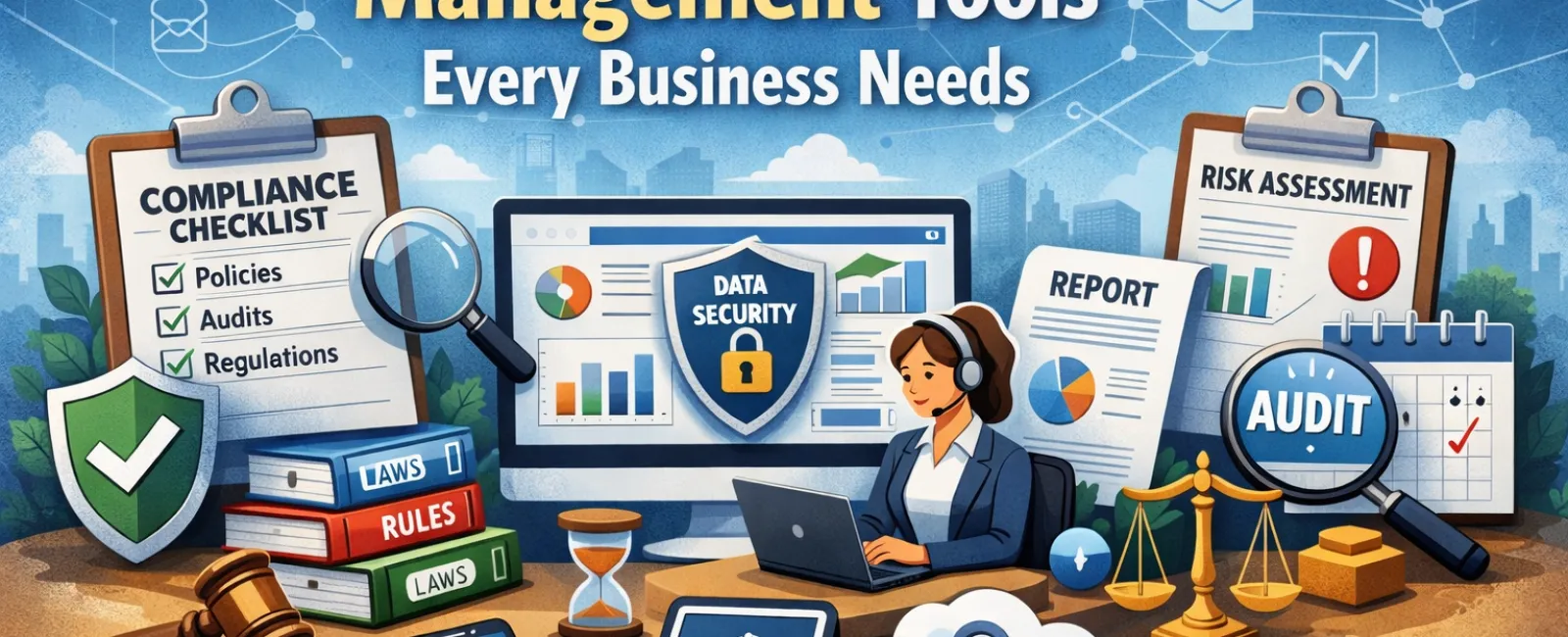
Compliance management is not just a necessity; it's a lifeline for any organization. As regulations tighten and the stakes rise, businesses across industries find themselves navigating an intricate web of rules and standards. It's not just about staying out of trouble, compliance builds trust, fortifies reputation, and opens doors to new opportunities. But how do you ensure your business isn't caught off guard? That's where compliance management tools come in, acting as your compass in a sea of regulations and risks.
Have you ever considered the hidden power of compliance tools in transforming your business into a fortress of trust and efficiency?
Key Takeaways
Discover the importance of compliance management and its impact on businesses
Understand the consequences of non-compliance and how it affects different industries
Learn about the key features that make compliance management software indispensable
Explore top compliance tools for financial services, healthcare, and legal sectors
Uncover the benefits of integrating compliance software with existing business systems
Understanding the Importance of Compliance Management in Today's Business World
Regulations grow increasingly complex, compliance management sits at the heart of every successful business strategy. It's more than just ticking boxes; it's about paving the way for sustainable growth and stability. As businesses strive to keep up with ever-changing regulations, the demand for effective compliance tools has skyrocketed.
Why Compliance Management is Crucial for Modern Businesses
Compliance management ensures your business adheres to the myriad laws and regulations that govern your industry. Whether it's HIPAA compliance in healthcare or financial regulations in banking, staying compliant reduces the risk of costly penalties and legal troubles. It's not just about avoiding fines; it's about building trust with your clients and stakeholders. When you demonstrate regulatory adherence, you reassure everyone involved that your business operates ethically and transparently.
But here's the kicker: prioritizing compliance can actually give you a competitive edge. In a marketplace crowded with options, businesses that showcase robust compliance management stand out. Customers and partners are more likely to choose companies that they perceive as trustworthy and reliable. By making compliance a core part of your operations, you not only mitigate compliance risks but also enhance your compliance status, setting you apart from competitors who might cut corners.
The Consequences of Non-Compliance
Ignoring compliance isn't just risky, it's downright perilous. Non-compliance exposes businesses to substantial financial penalties that can cripple even the most robust balance sheets. Regulatory bodies don't take violations lightly, and the fines they impose can be astronomical. Beyond the immediate financial hit, companies often find themselves embroiled in lengthy legal battles that drain resources and distract from core business activities.
Then there's the reputational damage. In today's interconnected world, news of compliance violations spreads like wildfire. Once your reputation is tarnished, rebuilding it is an uphill battle. Clients and partners may lose faith in your ability to manage compliance and risk, leading to operational disruptions and loss of business. Maintaining audit readiness and a strong compliance and risk management strategy is critical to protecting your brand and ensuring regulatory compliance tracking is up to speed.
Key Industries Affected by Compliance Regulations
While compliance regulations touch every sector, some industries face particularly stringent requirements. The finance industry, for instance, must navigate a labyrinth of financial compliance rules designed to protect consumers and ensure market stability. Healthcare organizations, on the other hand, deal with complex healthcare compliance mandates focused on patient safety and data privacy.
Legal services aren't off the hook either. They grapple with intricate legal compliance requirements that demand meticulous attention to ethical standards and client confidentiality. Technology companies, meanwhile, must juggle industry-specific regulations related to data privacy and cybersecurity. In an age where data breaches make headlines, global compliance within the tech sector is paramount.
Key Features to Look for in Compliance Management Software
Choosing the right compliance management software is like finding the perfect puzzle piece that completes the picture of your business's regulatory strategy. It's about more than just ticking boxes; it's about creating a seamless workflow that simplifies compliance for everyone involved.

User-Friendly Interface and Usability
Let's face it, no one wants to wrestle with clunky, confusing software. A user-friendly interface is crucial for simplifying compliance processes and encouraging employees to consistently use the tools at their disposal. With intuitive design and easy navigation, employees can access the information they need without getting lost in a maze of menus. This not only reduces training time and costs but also boosts overall software adoption rates, making compliance a natural part of everyday operations.
When your compliance tools are accessible and efficient, you're setting your team up for success. An intuitive user experience fosters a sense of ownership and accountability, encouraging everyone to stay on top of compliance activities. After all, the best software is the kind that employees don't dread using.
Customizable Compliance Reporting
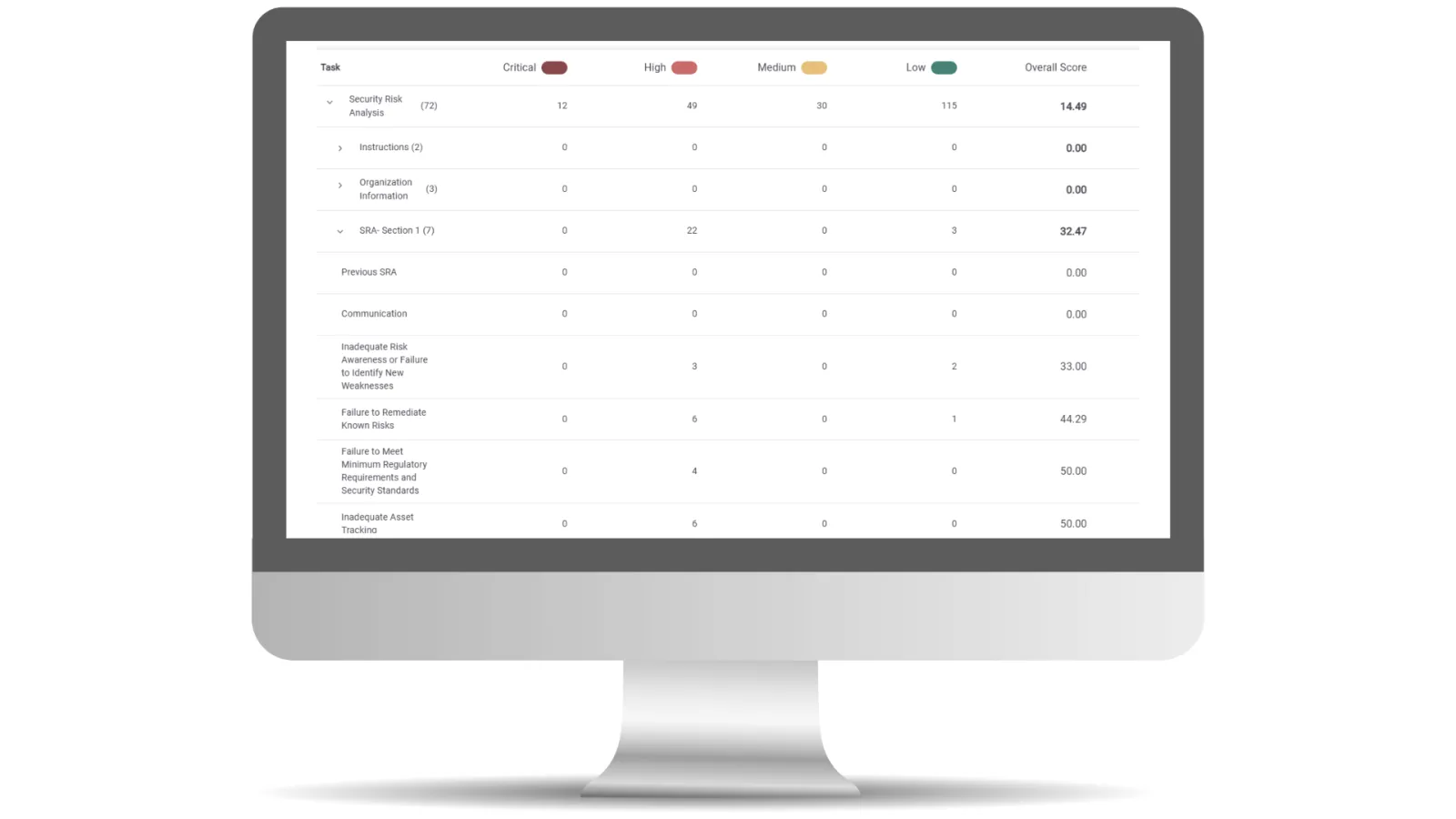
In the world of compliance, one size does not fit all. That's where customizable compliance reporting comes into play. Tailored reports provide insights that are specific to your business needs, helping you identify compliance gaps and areas for improvement. Automated reporting further lightens the load, saving time and reducing the likelihood of manual errors that can jeopardize your compliance audit.
Detailed reports aren't just for internal eyes; they facilitate better communication with stakeholders who need assurance that your business is on top of its regulatory requirements. With customized compliance reporting, you can present a clear picture of your audit management processes, policy and document management practices, and compliance workflows, all tailored to meet the expectations of your audience.
Integration Capabilities with Existing Systems
Seamless integration is the name of the game when it comes to compliance management software. The ability to integrate with your existing systems ensures smooth data flow and minimizes the headaches often associated with new software implementation. When your compliance platform works in harmony with the tools you're already using, you enhance your overall operational efficiency and maintain a comprehensive view of your compliance status.
Integration capabilities also support comprehensive compliance monitoring and control, allowing you to keep tabs on regulatory adherence without missing a beat. Whether it's software integration with your HR systems or interoperability with your financial tools, a cohesive approach to compliance helps you stay ahead of the curve.
Real-Time Monitoring and Alerts
In the fast-paced world of compliance, real-time monitoring acts as your watchful eye, proactively identifying issues before they escalate into major problems. With instant alerts, you can take prompt corrective actions, ensuring that your compliance status remains intact.
Continuous monitoring fosters ongoing compliance assurance by keeping you informed of any changes or updates. Real-time data supports informed decision-making processes, allowing you to respond quickly and effectively to potential compliance risks. In a landscape where the stakes are high, having real-time updates at your fingertips can make all the difference.
Essential Compliance Software Solutions for Healthcare Organizations
Healthcare organizations face a unique set of compliance challenges, with stringent regulations aimed at safeguarding patient data and ensuring quality care. Compliance management software plays a vital role in addressing these challenges.
Addressing Unique Compliance Challenges in Healthcare
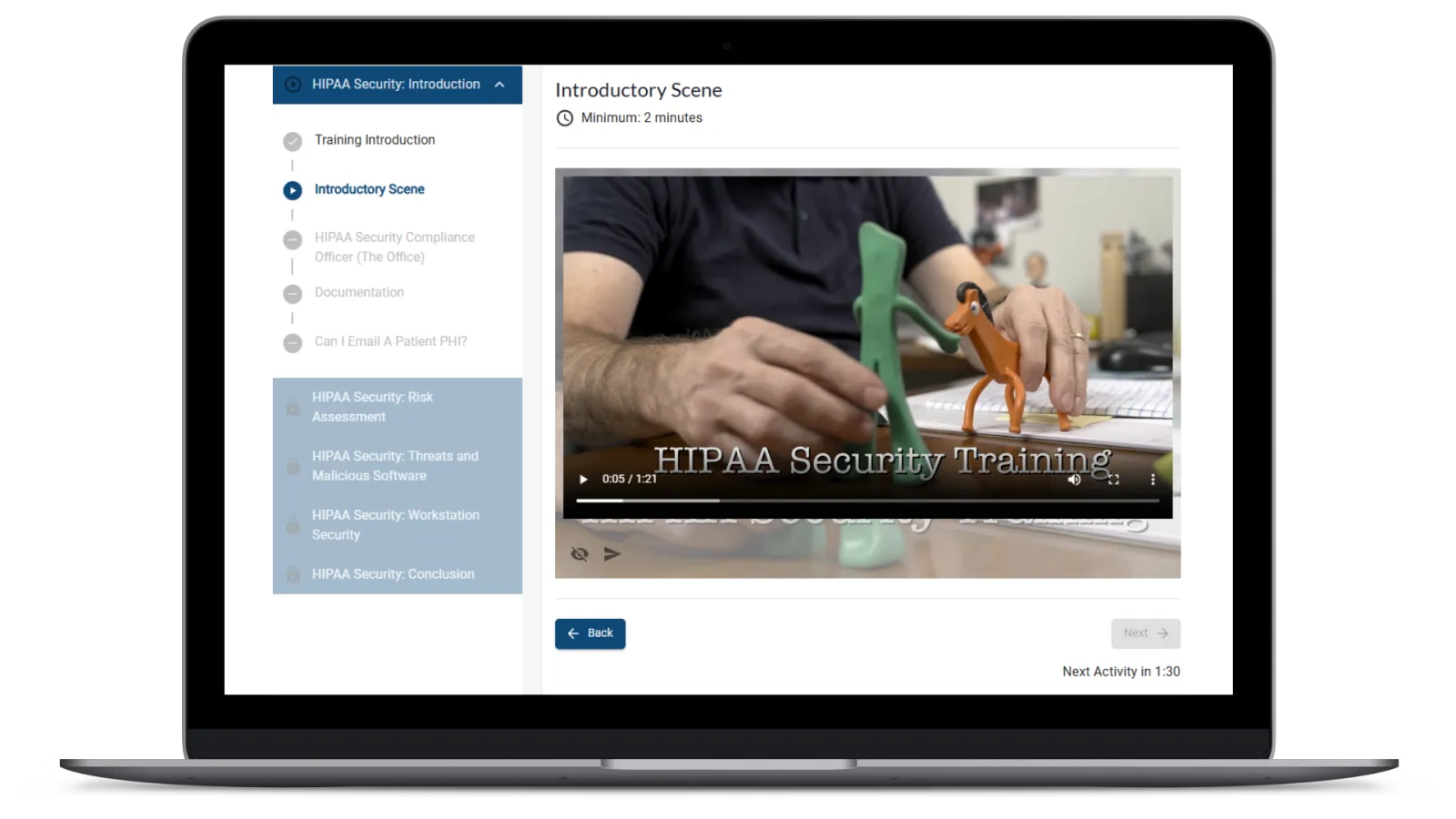
Healthcare compliance tools are designed to manage the intricacies of patient data privacy and security, ensuring adherence to industry accreditation standards. By addressing healthcare-specific regulations, these tools help providers avoid costly compliance breaches that could compromise patient trust and safety.
The stakes are high in healthcare, where non-compliance can result in severe penalties and reputational damage. Compliance software mitigates these risks by streamlining processes and ensuring that regulatory requirements are met without fail. From managing compliance risks in healthcare to safeguarding patient data security, the right tools are indispensable.
Popular Healthcare Compliance Management Software
Leading healthcare compliance software offers tailored solutions that integrate seamlessly with electronic health records (EHRs), facilitating compliance with regulations like HIPAA.
Our software solution supports comprehensive compliance management platforms, ensuring that healthcare organizations remain compliant with ever-evolving regulations. By providing a centralized hub for compliance activities, our tool empowers healthcare providers to focus on what truly matters, delivering high-quality patient care.
How Compliance Management Tools Enhance Risk Management Strategies
Compliance management tools do more than just keep you out of trouble; they play a crucial role in enhancing your overall risk management strategies. By identifying potential risks before they escalate, these tools provide insights that inform proactive risk management decisions.
The Role of Compliance Software in Risk Mitigation
Compliance software acts as a protective shield, identifying potential risks and providing the data needed to mitigate them. With risk assessment tools and compliance monitoring, these solutions enhance your organization's resilience against compliance-related risks.
By reducing the likelihood of costly incidents, compliance software supports robust compliance strategies that safeguard your business from unforeseen challenges. Whether you're dealing with financial, operational, or reputational risks, the insights provided by compliance tools are invaluable.
Integrating Compliance Management Tools with Risk Management Systems
Integration is key to fostering a holistic approach to risk and compliance management. By combining compliance management tools with your existing risk management systems, you ensure comprehensive monitoring of compliance risks and proactive identification of potential issues.
Seamless systems improve your overall organizational risk posture, allowing you to respond quickly and effectively to emerging threats. Whether it's automation or compliance risks, integrated systems provide the support needed to navigate the complexities of today's regulatory environment.
Success Stories in Risk and Compliance Management
Businesses across industries report significant risk reduction through the use of compliance software. Case studies demonstrate enhanced risk management capabilities, with organizations achieving compliance objectives and improving decision-making processes.
Success stories illustrate the tangible benefits of integrated tools, from improved compliance workflows to increased efficiency in risk management. By sharing real-world examples, businesses highlight the transformative power of compliance management software in achieving compliance success.
Benefits of Integrating Compliance Software with Existing Business Systems
Integrating compliance software with your existing business systems offers a multitude of benefits, from streamlined processes to enhanced data security. It's about creating a cohesive environment where compliance becomes second nature.
Streamlining Business Processes with Compliance Management Software
Integrated software simplifies complex compliance workflows, reducing manual errors and enhancing process efficiency. Automation leads to faster compliance issue resolution, allowing businesses to focus on their core activities without getting bogged down by compliance headaches.
By streamlining processes, businesses experience cost savings and improved compliance management. Whether you're dealing with compliance automation or software solutions, integrated systems offer a path to greater efficiency and effectiveness.
Enhancing Data Security and Privacy
Compliance software strengthens your data protection measures, ensuring adherence to data privacy regulations and standards. With enhanced security features, you prevent unauthorized access to sensitive data, building customer trust through robust data protection practices.
Data security is more important than ever, and compliance software provides the tools needed to safeguard your business from potential breaches. From privacy compliance to security frameworks, these tools offer peace of mind in a world where data is king.
Improving Operational Efficiency through Software Integration
Integrated systems optimize resource utilization in compliance processes, leading to faster response times and better allocation of compliance resources. Businesses achieve higher productivity through streamlined operations, supported by the usability and integration capabilities of compliance software.
Whether you're dealing with operational efficiency or business improvements, integrated systems provide the support needed to navigate the complexities of today's regulatory environment. By enhancing your compliance processes, you unlock the potential for growth and success.
Measurable Outcomes and Business Improvements
Organizations report enhanced compliance outcomes and efficiencies, with measurable improvements including cost savings and risk reduction. Success stories demonstrate increased regulatory adherence and improved stakeholder relations, showcasing the tangible benefits of compliance success.
By focusing on business improvements and measurable outcomes, businesses achieve compliance effectiveness and ROI analysis. Whether you're dealing with compliance metrics or financial returns, these success stories provide valuable insights into the transformative power of compliance management software.
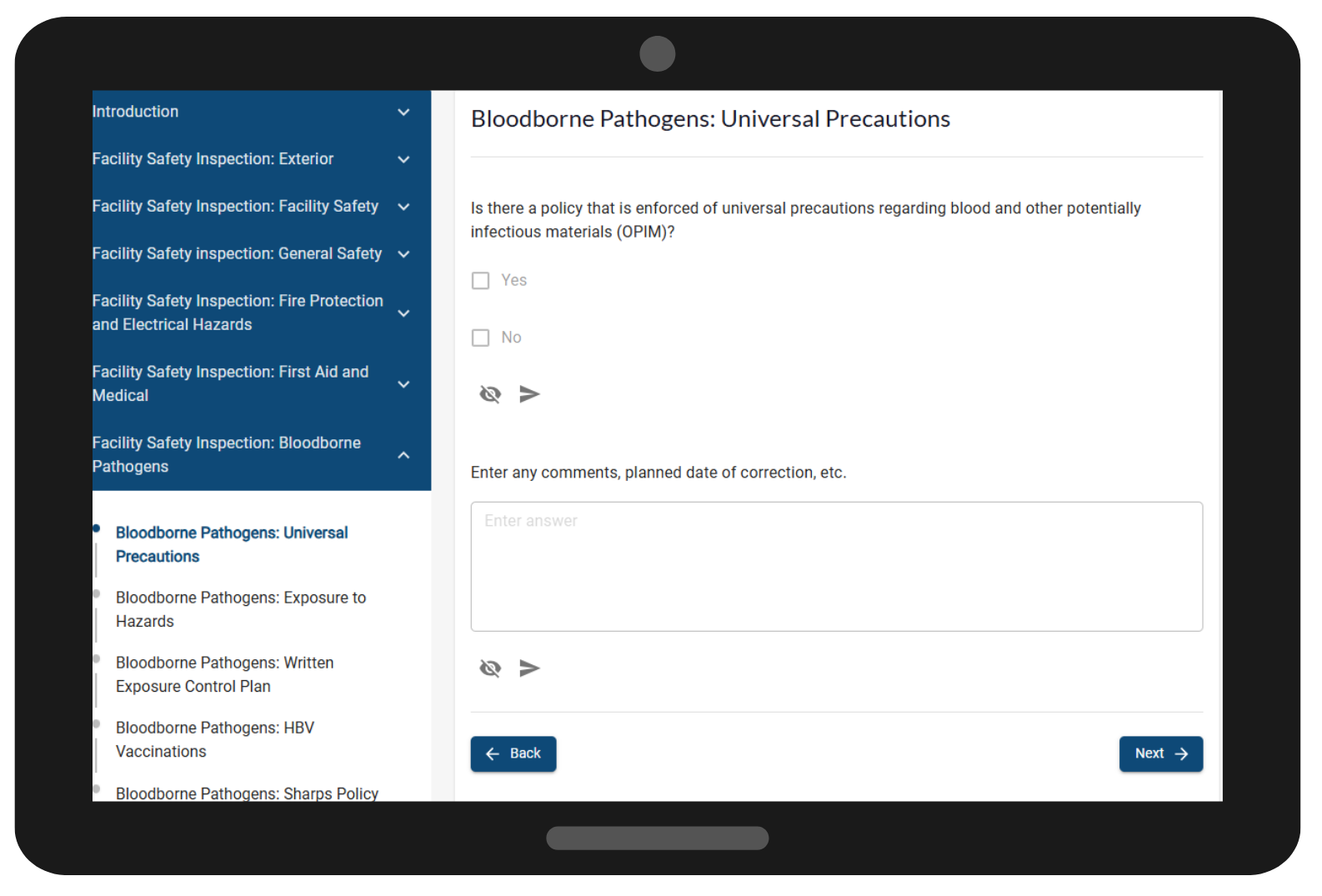
Evaluating the ROI of Compliance Management Software Solutions
When it comes to compliance management software, evaluating the ROI is essential. By considering factors such as software costs, compliance savings, and financial benefits, businesses can assess the value of their compliance investments.
Factors Influencing the ROI of Compliance Management Tools
ROI depends on the software's ability to meet specific business needs, with implementation costs and time impacting overall ROI calculations. User adoption rates influence the effectiveness and ROI of software, while continuous support and updates contribute to long-term ROI benefits.
By considering ROI factors and cost analysis, businesses can make informed decisions about their compliance investments. Whether you're dealing with investment in compliance or compliance benefits, these factors provide valuable insights into the financial impact of compliance software.
Cost-Benefit Analysis of Compliance Software
A thorough cost-benefit analysis reveals the financial gains from compliance investments, with tools providing quantifiable benefits through risk reduction and efficiency. Analysis includes direct and indirect cost savings from compliance tools, helping businesses achieve positive ROI through strategic software deployment.
Whether you're dealing with cost-benefit analysis or financial benefits, these insights provide valuable guidance for businesses seeking to maximize the potential of their compliance software. By focusing on value assessment and compliance savings, businesses achieve financial returns and ROI examples.
Examples of ROI in Various Business Contexts
Financial firms report substantial ROI through improved compliance processes, while healthcare organizations achieve ROI by avoiding costly compliance breaches. Legal services experience ROI through efficient case and document management, with diverse industries showcasing ROI through enhanced operational efficiency.
Whether you're dealing with ROI examples or different industries, these case studies provide valuable insights into the financial returns and business contexts associated with compliance software. By focusing on business improvements and ROI analysis, businesses achieve compliance success and financial benefits.
Future Trends in Compliance Management Tools and Software
As technology continues to evolve, compliance management tools are poised for significant advancements. By exploring emerging technologies and the impact of AI and machine learning, businesses can prepare for future compliance challenges and opportunities.
Emerging Technologies in Compliance Management
Innovative technologies drive advancements in compliance software, with tools leveraging cloud computing for scalable solutions. Blockchain technology enhances transparency and traceability in compliance, providing new solutions for businesses seeking to enhance their compliance processes.
Whether you're dealing with technology trends or compliance automation, these insights provide valuable guidance for businesses seeking to maximize the potential of their compliance software. By focusing on technology advancements and new solutions, businesses achieve compliance success and innovation in compliance.
The Impact of AI and Machine Learning on Compliance Software
AI automates repetitive compliance tasks and improves accuracy, while machine learning provides predictive insights for proactive compliance. AI-driven tools enhance decision-making in compliance management, transforming traditional compliance approaches and providing intelligent compliance solutions.
Whether you're dealing with AI in compliance or machine learning applications, these insights provide valuable guidance for businesses seeking to maximize the potential of their compliance software. By focusing on software advancements and automation, businesses achieve compliance success and intelligent compliance solutions.

Preparing for Future Compliance Challenges and Opportunities
Businesses anticipate evolving regulatory landscapes and prepare accordingly to adapt to future compliance requirements. By leveraging compliance management software, organizations can stay agile and responsive to emerging challenges. Tools that support strategic planning and industry readiness are invaluable in this regard, allowing companies to seize opportunities through forward-thinking compliance strategies.
As industries evolve, so too do the compliance challenges they face. Businesses must be proactive, not reactive, in their approach to compliance. By preparing for future challenges and embracing compliance foresight, organizations can navigate the complexities of tomorrow's regulatory landscape with confidence.
In conclusion, the right compliance management tools are indispensable for modern businesses looking to thrive in a world of complex regulations. From financial services to healthcare and legal sectors, the benefits of these tools are clear: they protect against risks, streamline operations, and enhance overall business performance. As you evaluate your own compliance strategy, consider how these tools can transform your approach and set your business on a path to success.
Ready to take your compliance management to the next level? What steps will you take to ensure your business stays ahead of regulatory changes?
By engaging with these questions and exploring the tools and strategies discussed, you can position your business to not just survive, but thrive in the ever-shifting landscape of compliance.
Frequently Asked Questions
What are compliance management tools?
Compliance management tools are software solutions that help businesses stay in line with legal, regulatory, and industry standards. They automate processes like documentation, reporting, and audits, making it easier to manage compliance. These tools save time and reduce the risk of non-compliance penalties. By using them, companies can ensure they meet all necessary requirements and maintain a good reputation.
Why are compliance management tools important for businesses?
Having compliance management tools is crucial as they help businesses avoid legal issues and fines. They streamline the process of staying up-to-date with ever-changing regulations. These tools ensure that all aspects of your operations meet required standards, protecting your brand's integrity. Moreover, they help in identifying potential risks and implementing preventive measures, thus keeping your business running smoothly and securely.
What features should I look for in a compliance management tool?
When choosing a compliance management tool, look for features like real-time monitoring, automated alerts, and comprehensive reporting. It should offer risk assessment and management capabilities, as well as customizable dashboards to fit your specific needs. Integration with existing systems is a plus, as is user-friendly navigation. The tool should also provide training resources to help your team stay informed about compliance requirements.
How do compliance management tools help with audits?
Compliance management tools make audits less stressful by organizing and storing all necessary documentation in one place. They provide easy access to records, ensuring that you can quickly gather the information auditors need. With automated reporting and tracking of compliance activities, these tools highlight any gaps that need addressing before an audit. This proactive approach minimizes the risk of surprises during the audit process.
Can small businesses benefit from compliance management tools?
Absolutely! Compliance management tools are not just for large corporations. Small businesses can greatly benefit from these tools by ensuring they meet all legal and regulatory obligations efficiently. They level the playing field by providing the same level of oversight and risk management that larger companies enjoy. This investment can prevent costly fines and boost your company's credibility and trustworthiness among clients and partners.